Grassland Soil Management in Ireland
A practical guide to managing soil under grassland in Ireland, covering structure, fertility, grazing impacts, and long-term productivity.
Grassland covers approximately 80% of Ireland’s agricultural land, making it the foundation of Irish farming. The productivity and resilience of this grassland depends fundamentally on the soil beneath it. Managing that soil well is essential for maintaining productive pastures over the long term.
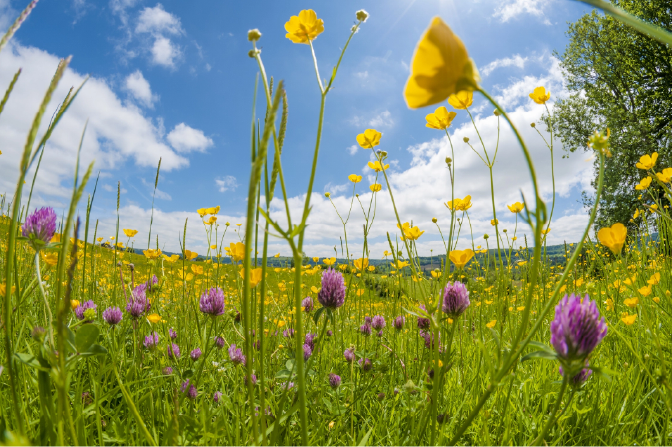
This guide looks at soil management specifically within grassland systems - the particular challenges, opportunities, and practices relevant to managing soil under permanent or long-term grass. It’s about understanding how grazing, traffic, and grassland management affect soil, and what can be done to maintain or improve soil condition.
Good grassland soil management is not complicated, but it does require attention. Soils under grass can build organic matter, support rich biology, and remain productive for generations - but only if managed in ways that protect rather than degrade their structure and function.
Who this guide is for
This is for Irish farmers managing grassland, whether for dairy, beef, sheep, or mixed enterprises. It’s relevant to both intensive and extensive systems, and useful for advisors, students, and anyone involved in grassland management decisions.
How grassland affects soil
Grassland and soil exist in a reciprocal relationship. The grass depends on soil for nutrients, water, and anchorage. The soil, in turn, is shaped by the grass growing on it and the animals grazing it.
Understanding this relationship helps explain both the benefits of grassland for soil and the risks that poor management creates.
The benefits of grass for soil
Permanent grassland naturally builds soil quality in several ways:
Continuous root growth. Grass roots grow, die, and regrow constantly throughout the growing season. This continuous turnover feeds carbon into the soil, supporting organic matter accumulation and biological activity.
Minimal disturbance. Unlike tilled land, undisturbed grassland allows soil structure to develop and stabilise over time. Aggregates form, pore networks develop, and biological communities establish themselves.
Year-round cover. Grass provides permanent ground cover, protecting soil from erosion, moderating temperature extremes, and maintaining moisture levels.
Nutrient cycling. In grazed systems, most nutrients consumed by animals are returned to the soil through dung and urine. This creates a cycling system that can maintain fertility with relatively low external inputs.
These characteristics mean that well-managed grassland can maintain or improve soil quality over decades - a significant advantage over systems requiring regular cultivation.
The risks of poor management
Despite its inherent benefits, grassland can degrade soil if poorly managed:
Compaction. Livestock hooves and machinery wheels compress wet soil, destroying structure and reducing infiltration. Compacted soil drains poorly, warms slowly, and restricts root growth.
Poaching. Severe trafficking damage in wet conditions physically breaks up the sward and soil surface, creating conditions for erosion and weed invasion.
Overgrazing. Continuous heavy grazing weakens plants, reduces root mass, and leaves soil more exposed and vulnerable. It also concentrates traffic damage in smaller areas.
Nutrient depletion. Silage and hay remove nutrients from the field. Without adequate replacement, soil fertility declines over time.
Acidification. High nitrogen inputs and natural leaching acidify soil. Without lime to counteract this, pH drops and nutrient availability declines.
Recognising these risks is the first step toward managing grassland in ways that protect rather than deplete soil.
Key aspects of grassland soil management
Several aspects of soil require particular attention in grassland systems.
Soil structure
Structure - how soil particles clump into aggregates and the pore spaces between them - determines how well soil functions. Good structure allows:
- Water to infiltrate and drain
- Air to reach roots
- Roots to penetrate deeply
- Biological activity to flourish
Grassland naturally builds structure through root activity and biological processes. However, compaction from traffic on wet soils can destroy structure faster than it rebuilds.
Assessing structure is straightforward: dig a hole and observe. Healthy grassland soil breaks apart into crumb-like aggregates, shows roots penetrating evenly throughout, and drains water rather than holding it in pools. Compacted soil resists the spade, breaks into blocky clods, and shows restricted rooting.
Organic matter
Organic matter accumulates under permanent grass as roots and plant material decompose. This organic matter:
- Improves water-holding capacity
- Feeds soil biology
- Stores nutrients for gradual release
- Enhances structure
Grassland organic matter builds slowly - typically 0.1% per year or less under good conditions. Maintaining high organic matter requires keeping land in grass without unnecessary cultivation, returning organic matter through grazing or spreading, and avoiding practices that accelerate decomposition.
Drainage
Ireland’s wet climate means drainage is a persistent concern on grassland. Poor drainage:
- Limits grass growth in spring by keeping soils cold
- Reduces grazing days by keeping ground too wet for livestock
- Increases poaching risk
- Creates anaerobic conditions that harm roots and biology
Drainage depends on both natural soil characteristics and management. Heavy clay soils drain slowly; lighter soils drain faster. Compaction impedes drainage regardless of soil type.
Improving drainage may require infrastructure (field drains, open ditches) but is also influenced by soil condition. Well-structured soil with good organic matter infiltrates and drains better than compacted, degraded soil.
Nutrient status
Grassland productivity depends on adequate nutrition. The key considerations are:
Phosphorus and potassium. These must be maintained at adequate levels (typically index 3) for optimal grass growth. Silage ground requires particular attention as these nutrients are exported with each cut.
Nitrogen. The main driver of grass growth, applied through fertiliser, slurry, or fixed by clover. Nitrogen application should match grass demand and growth conditions.
pH. Acidification reduces nutrient availability and grass productivity. Regular liming maintains optimal pH (typically 6.0–6.5 for grassland).
Balancing nutrient inputs with outputs, and maintaining pH, sustains grassland productivity without depleting soil reserves.
Common soil problems in Irish grassland
Certain issues recur across Irish grassland systems. Recognising them helps focus management attention.
Compaction
Compaction is the most common soil problem in Irish grassland. It results from:
- Grazing or housing livestock on wet ground
- Heavy machinery use in poor conditions
- Repeated trafficking of the same areas (gateways, water troughs, laneways)
- Overstocking
Compacted soil restricts grass growth, reduces grazing days, and increases poaching risk - creating a downward spiral if not addressed.
Prevention is easier than cure. Timing operations for appropriate ground conditions, managing livestock movement, and reducing unnecessary traffic all help. Where compaction has occurred, aeration or sward lifting can help in some situations, though natural recovery through root growth and biological activity is often the primary pathway back to good structure.
Waterlogging
Waterlogging has multiple causes:
- Naturally heavy or poorly drained soil
- High water tables
- Compaction impeding infiltration
- Failed or absent field drainage
Waterlogged soil warms slowly in spring, supports less biological activity, and is vulnerable to damage from livestock and machinery. Grass growth is typically reduced and delayed.
Addressing waterlogging may require drainage improvements, but also attention to compaction and soil structure. Improving surface infiltration through better structure can complement engineered drainage.
Low pH
Acidification is common in Irish grassland due to high rainfall and nitrogen inputs. Soil pH below 6.0 increasingly limits grass productivity by:
- Reducing phosphorus availability
- Limiting soil biological activity
- Discouraging clover, which prefers near-neutral pH
- In extreme cases, causing aluminium toxicity to roots
Regular soil testing identifies pH problems. Lime application corrects acidity and is often the highest-return investment on acidic soils.
Nutrient imbalance
Grassland managed without attention to nutrient balance may develop deficiencies or excesses:
- Silage ground often becomes depleted in phosphorus and potassium
- Heavy slurry use can build potassium to excess while other nutrients lag
- Nitrogen-only systems may deplete other nutrients over time
Soil testing identifies imbalances. Correcting them requires targeted application rather than standard fertiliser approaches.
Degraded swards
Soil problems often manifest as sward problems: bare patches, weed invasion, poor grass species composition. While the visible issue is above ground, the cause may be below - compaction restricting roots, low fertility limiting competition with weeds, or waterlogging favouring rush and sedge over productive grasses.
Addressing sward problems sustainably often requires addressing underlying soil issues rather than simply reseeding.
Practical grassland soil management
Managing grassland soil effectively involves attention to timing, traffic, and inputs.
Protect soil structure
Manage grazing on wet soils. The single most important principle is avoiding heavy traffic on wet soil. This may mean housing earlier, using sacrifice paddocks, or accepting reduced utilisation during wet periods to protect the rest of the farm.
Rotate grazing. Rotational grazing spreads traffic across paddocks and allows rest periods for soil and sward recovery. Continuous set-stocking concentrates damage and prevents recovery.
Minimise machinery traffic. Every pass with heavy equipment risks compaction. Plan operations to minimise passes, use appropriate machinery for conditions, and avoid very wet periods.
Maintain grass cover. Avoid grazing swards down to bare soil. Residual leaf area protects soil and supports faster regrowth. Target post-grazing heights that leave adequate cover.
Maintain drainage
Keep ditches and drains clear. Surface water must have somewhere to go. Blocked drains and overgrown ditches cause waterlogging regardless of soil condition.
Address compaction. Compacted surface layers prevent infiltration even on naturally well-drained soils. Improving structure through rest and recovery, or mechanical intervention where appropriate, helps water move into and through the soil.
Consider soil organic matter. Higher organic matter improves infiltration and water-holding capacity, helping soil manage both wet and dry periods more effectively.
Monitor and maintain fertility
Test soil regularly. Sample every three to five years to track pH and nutrient status. Use results to target inputs rather than applying standard rates regardless of soil condition.
Lime as needed. Maintaining pH 6.0–6.5 is fundamental for grassland productivity. Plan lime applications based on soil test results.
Balance nutrient inputs and outputs. Account for what silage removes and what slurry returns. Supplement where necessary to maintain soil indices at optimal levels.
Credit organic sources. Slurry and manure contribute significant nutrients. Include them in nutrient budgets to avoid over-application of fertiliser.
Observe and respond
Dig holes. Regular assessment of soil structure, rooting depth, and biological activity provides early warning of problems. A spade is an effective diagnostic tool.
Watch grass response. Uneven growth, slow spring recovery, or poor persistence may indicate underlying soil issues worth investigating.
Track changes over time. Note how fields respond to weather and management. Patterns often reveal soil differences not apparent from surface inspection.
When soil testing becomes important
Soil testing provides objective data to guide management decisions. For grassland, testing is particularly useful when:
- Grass production has declined without obvious cause
- Planning to reseed or renovate a sward
- Silage yields or quality have dropped
- Clover is failing to persist
- You have not tested for more than five years
- Taking on new ground with unknown history
Standard soil tests report pH, phosphorus, potassium, and often other parameters. Results guide lime and fertiliser decisions, helping target inputs where they will have most impact.
For help understanding what your test results mean, see our guide to interpreting soil test results.
Frequently asked questions
How can I tell if my grassland soil is compacted?
Dig a hole and observe. Compacted soil resists the spade, breaks into dense blocky clods rather than crumbly aggregates, and shows restricted rooting - often with roots growing horizontally rather than down. Standing water after rain, even on slopes, also suggests compaction.
Should I subsoil my grassland?
Subsoiling or sward lifting can help in some situations, but is not always effective and can cause damage if done in wrong conditions. It works best where there is a clear compacted layer that can be fractured. On heavy clay or where compaction is deep and extensive, results are often disappointing. Consider carefully whether the investment is worthwhile for your specific situation.
How long does it take for compacted grassland to recover?
Recovery depends on severity and soil type. Surface compaction may improve within a season or two if traffic is removed and roots can regrow. Deeper compaction can take years to resolve naturally. Prevention is always more effective than cure.
Does grassland need different nutrients than tillage?
The same nutrients matter, but the balance differs. Grassland typically needs more attention to potassium (especially silage ground) and benefits from maintained phosphorus for clover. Nitrogen is the main variable input controlling grass production. pH management is equally important.
How often should I reseed?
Frequent reseeding suggests underlying problems - either sward management or soil issues. Well-managed grassland on healthy soil can remain productive for many years without reseeding. If swards are failing repeatedly, investigate soil condition (drainage, compaction, fertility, pH) rather than simply reseeding again.
Can I improve soil health without taking land out of production?
Yes. Many soil improvements happen under productive grassland: adjusting grazing management to protect structure, maintaining pH and fertility, managing traffic to reduce compaction. The key is integrating soil-conscious practices with normal farm operations rather than treating soil as separate from production.
What role does clover play in grassland soil?
Clover fixes atmospheric nitrogen, reducing fertiliser requirements. Its different rooting pattern complements grass, and it supports diverse soil biology. Maintaining clover requires adequate phosphorus and potassium, appropriate pH (clover prefers pH above 6.0), and grazing management that allows clover to persist alongside grass.
Where to go from here
Grassland soil management is ultimately about maintaining the foundation that makes grassland productive. This connects to broader soil health principles: building organic matter, protecting structure, supporting biology, and maintaining nutrient balance.
The starting point is understanding your current soil condition. A soil test provides data on pH, fertility status, and organic matter - see our guide to interpreting soil test results. Physical assessment with a spade reveals structure, rooting, and drainage. Together, these observations guide practical decisions about where to focus attention.
From there, the principles are straightforward: protect structure by managing traffic on wet soils, maintain fertility through balanced inputs, address pH through regular liming, and observe your soil regularly to catch problems early. These practices, applied consistently, maintain grassland productivity for the long term while building rather than depleting the soil resource.